
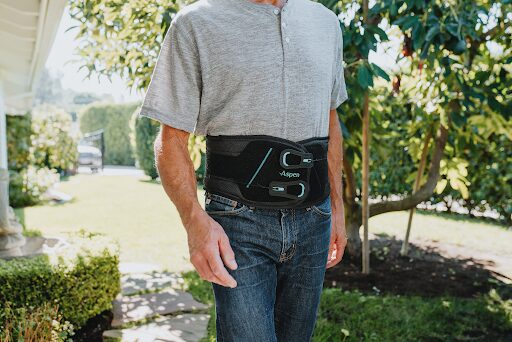
Lower back pain is one of the most common physical issues worldwide, affecting people across all lifestyles and professions. Whether it comes from long hours at a desk, physically demanding labor, or just an active routine, the discomfort of lower back pain can affect how you perform even simple tasks. Fortunately, a modern back brace for lower back pain offers meaningful relief by providing support, improving your posture, and allowing you to stay active throughout the day.
Modern brace designs focus on both function and comfort, making them a reliable option for anyone seeking relief without resorting to invasive treatments or resorting to medication.
A back brace works by stabilizing the mid and lower spine while applying controlled compression to the surrounding muscles. This support helps to reduce strain on the lumbar region while promoting proper spinal alignment.
When the spine is aligned correctly, pressure on your nerves is reduced, and muscles can relax more easily. This is what can lead to noticeable pain relief, especially during activities that typically trigger discomfort. By providing reinforcement to ensure proper posture and movement, a brace also helps reduce pain while preventing further irritation or injury.
Some advanced designs use targeted compression systems to focus support directly where it is needed most. This allows users to adjust the level of compression based on their activity level and pain severity, creating a more personalized experience.

One of the biggest advantages of using a lumbar support brace is that it offers a non-invasive and non-narcotic approach to managing back pain. Unlike medications that only serve to temporarily mask symptoms, a brace addresses the physical causes of the discomfort by improving stability and reducing muscle strain.
Research has shown that lumbar bracing can improve functional outcomes and reduce pain levels for anyone dealing with lower back issues. In some cases, patients who use a brace alongside physical therapy are significantly more likely to experience improvement than those who receive therapy alone, making a back brace a valuable addition to a comprehensive treatment plan focused on long term recovery.
Today’s back braces are built with comfort in mind. Lightweight, breathable materials allow for extended wear without overheating, while low-profile designs make it easy to wear the brace under your typical everyday clothing.
Body type and back issues are different for everyone, so adjustability is another essential feature. Many braces include pull tabs or compression systems that allow users to fine-tune the fit throughout the day. Whether you’re sitting, standing, or moving, modern braces can adapt to your needs without feeling restrictive or overly tight. When properly fitted, a brace should feel snug and supportive without limiting your ability to breathe or move naturally.

Lower back pain often leads people to limit their activity, which can actually be counterintuitive to recovery. A back brace helps bridge that gap by providing the support needed to stay mobile and engaged in everyday life.
With less discomfort throughout the day, patients who use a back brace for lower back pain can continue working, exercising, and going about their lives as usual. This balance between support and mobility is vital for maintaining overall health and preventing further complications.
Poor posture is a major contributor to lower back pain. Over time, slouching or improper alignment can place excessive stress on the spine and surrounding muscles.
A lumbar support brace encourages proper posture by guiding the spine into a more natural position. This not only helps relieve current pain but also helps to reduce the likelihood of future issues by addressing them early. Consistent use, combined with strengthening exercises, can lead to lasting improvements in how your body moves and feels.

Anyone with chronic lower back pain, muscle strain, or those recovering from minor injuries can benefit from a brace. It is also helpful for those looking to add support during regular daily activities.
A back brace provides a non-narcotic option for managing pain, and while it can reduce the need for pain medication by addressing the physical causes of discomfort, it does not replace it.
Yes! One of the fundamental functions of a back brace for lower back pain is to encourage proper spinal alignment, which helps improve posture over time and reduces stress on the lower back.
It should feel snug and supportive without being restrictive. You should be able to breathe and move comfortably while wearing it.
It is best worn during activities that put strain on the lower back. Overusing a back brace for lower back pain should be avoided to prevent muscle dependency, which will prevent meaningful improvement.